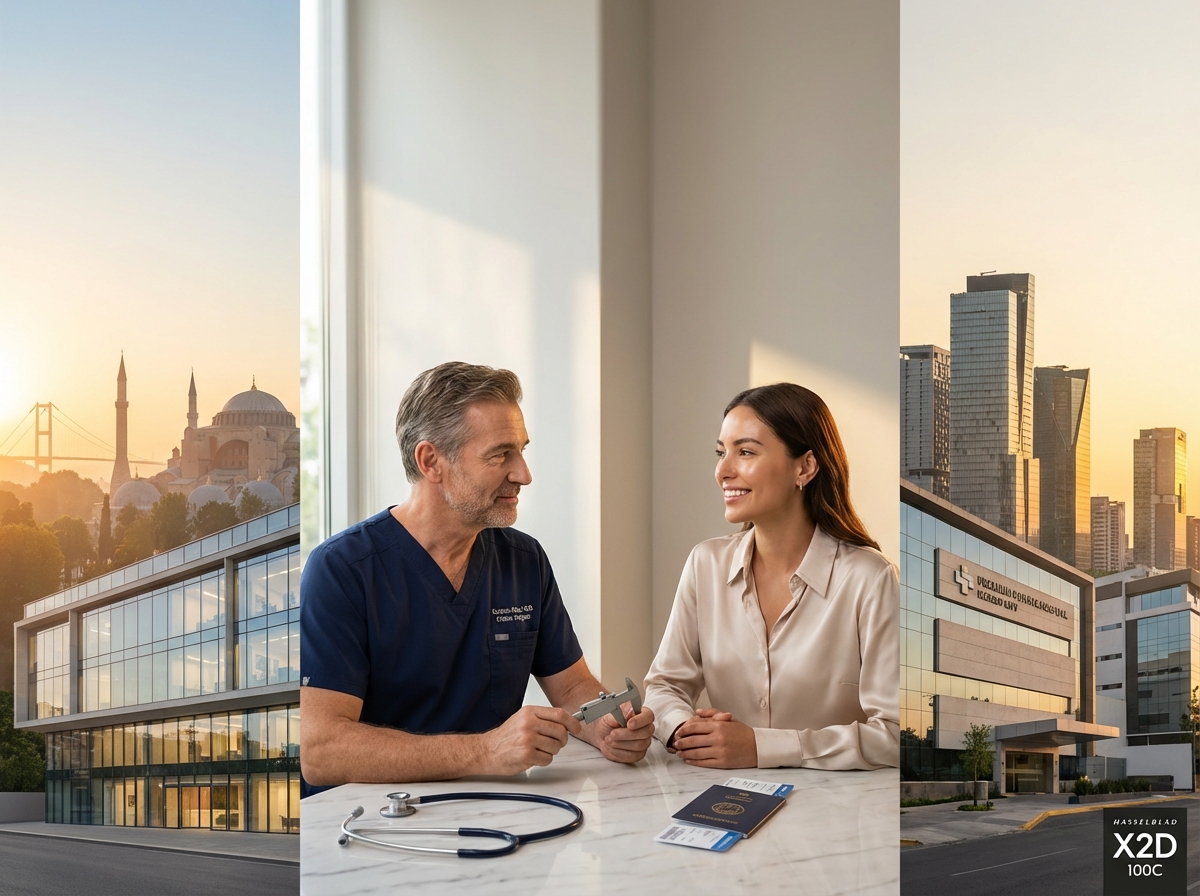
Thinking of traveling abroad for plastic surgery? This guide compares Turkey and Mexico across cost, surgeon expertise, hospital standards, travel logistics, risks, and recovery planning. Use it to match your priorities—price, procedure type, proximity, or continuity of care—and to build a safe, realistic plan for a successful medical tourism experience.
Why Choose Medical Tourism for Plastic Surgery
The decision to seek plastic surgery outside the United States is no longer a niche choice for the adventurous few. By late 2025, medical tourism has evolved into a sophisticated global industry. Many Americans find themselves priced out of local markets where a standard tummy tuck or a complex rhinoplasty can cost as much as a new car. This financial barrier drives thousands of patients to look toward Turkey and Mexico. These two nations have positioned themselves as primary destinations for aesthetic enhancements, offering a combination of high-volume expertise and significantly lower price points.
The primary driver for this migration is the sheer cost difference. In the United States, surgical fees are only one part of the bill; patients must also pay for the surgical facility, the anesthesiologist, and the various supplies used during the stay. In Turkey or Mexico, these costs are often bundled into a single transparent price. Many patients report savings of 40% to 60% compared to quotes received in major American cities. A Turkey plastic surgery cost can be half of what a surgeon in New York or Miami might charge, allowing individuals to afford procedures that were previously out of reach.
Beyond the money, access to specialized surgeons is a major draw. Turkey has become the undisputed global hub for hair transplants and aesthetic rhinoplasty. Surgeons in Istanbul often perform these specific operations multiple times a day, leading to a level of technical refinement that is hard to find elsewhere. Mexico has built a similar reputation for body contouring and breast procedures. Because of its proximity to the United States, many Mexican surgeons have trained in American or European institutions and understand the aesthetic preferences of North American patients.
Wait times in the United States can also be a deterrent. Top-tier surgeons in the US often have waiting lists that stretch for six months or a year. In contrast, international clinics are structured to accommodate medical tourists quickly, with the staff and facility capacity to schedule surgeries within weeks of an initial virtual consultation. This efficiency is attractive to people who have a specific window of time for recovery, such as a vacation or a break between jobs.
However, significant tradeoffs require careful thought. Continuity of care is perhaps the most pressing issue. When you have surgery at home, your surgeon is available for follow-up appointments. If you travel abroad, you leave your surgeon behind the moment you board the plane. If a complication arises three weeks later, finding a local doctor willing to treat another surgeon’s work can be difficult. Many US doctors are hesitant to take on the liability of a foreign surgery gone wrong.
Language and cultural differences can also create hurdles. While many top surgeons in these destinations are bilingual, the nursing staff or administrative teams might not be. Miscommunications regarding post-operative care or medication dosages can lead to serious safety issues. Cultural differences in aesthetic standards might also mean that what a Turkish surgeon considers a perfect nose is different from what an American patient expects.
The lack of medicolegal recourse is a reality that many ignore until it is too late. In the United States, patients have the protection of a robust malpractice system. If a surgeon is negligent, there are clear legal paths to seek compensation. In Turkey or Mexico, the legal systems are different; suing a foreign doctor is an expensive and often fruitless endeavor. Patients essentially waive many of the protections they take for granted at home.
The scale of this industry is massive. According to industry reports, 38 million procedures were performed worldwide by 2024. This represents a 42.5% increase over just four years. Turkey alone performed over 950,000 procedures in 2021, while Mexico followed closely with approximately 1.27 million procedures in the same period. The sheer volume of inbound medical tourists proves that the model works for many, but it also highlights the need for rigorous personal research.
Deciding if medical tourism is right for you requires an honest assessment of your priorities. You must weigh the financial benefits against the logistical and safety risks. Use the following checklist to evaluate your readiness for a plastic surgery trip abroad.
Budget and Contingency
Do you have enough funds for the procedure plus an extra 30% for potential complications, extended hotel stays, or emergency flights?
Procedure Complexity
Is the surgery a straightforward, single procedure or a complex combination like a mommy makeover? Higher complexity increases the risk of travel-related complications like DVT.
Travel Tolerance
Are you physically and mentally prepared for a long-haul flight shortly after a major operation? DVT and pulmonary embolism risks are significantly higher during long flights post-surgery.
Local Follow-Up
Do you have a primary care physician or a local plastic surgeon who has agreed to provide follow-up care or wound management if needed?
Risk Tolerance
Are you comfortable with the fact that you will have limited legal recourse if the results are not what you expected or if negligence occurs?
Communication Comfort
Are you confident that you can communicate your medical history and aesthetic goals clearly despite potential language barriers?
Comparing Quality Credentials and Typical Costs
Choosing between Turkey and Mexico requires looking at more than just the flight time. You need to verify the paperwork first. In Turkey, the main body is the Turkish Society of Plastic, Reconstructive and Aesthetic Surgery. You can check their national medical registry to see if a surgeon is actually licensed. Mexico has the Mexican Association of Plastic, Aesthetic and Reconstructive Surgery, known as AMCPER. They work with the Mexican Council of Plastic, Aesthetic and Reconstructive Surgery, or CMCPER. You should always look for the CMCPER seal, which indicates the surgeon passed rigorous exams. Both countries have hospitals with Joint Commission International (JCI) accreditation, a global gold standard for safety. You can find the full list of these hospitals on the JCI website.
Hospital and Clinic Types
You will find three main types of facilities in these countries. Large multispecialty hospitals are the safest bet for major surgeries as they have on-site intensive care units (ICUs) and full-time anesthesiologists. Aesthetic clinics are smaller, more private, and often feel like luxury hotels; they are suitable for minor procedures, provided they have an emergency transfer plan to a larger hospital. Dedicated hair transplant centers are very common in Istanbul. These centers focus only on one thing and often use technicians for the grafts. You should always ask if a licensed doctor is supervising the entire process.
Reputation and Specializations
Turkey has built a massive reputation for rhinoplasty. Surgeons in Istanbul often perform several nose jobs every day, making them experts in ethnic rhinoplasty and closed techniques. Turkey is also the world leader for hair transplants due to high volume and efficiency. Mexico is the top choice for body contouring, including liposuction and tummy tucks. Many US patients choose Mexico for a Mommy Makeover Cost in Mexico vs Turkey 2025 because the surgeons understand American aesthetic goals. Mexico has the advantage of proximity; you can fly from Los Angeles or Houston in just a few hours. Most Mexican surgeons in medical tourism hubs speak fluent English, reducing the risk of a communication breakdown.
Understanding the Costs
Prices in 2025 remain much lower than in the United States. Turkey is generally the most affordable option for all-inclusive packages, which usually cover the surgery, hotel stay, and airport transfers. Mexico is slightly more expensive than Turkey but still saves you thousands compared to a US clinic. However, remember that the lowest price is not always the best. A very cheap quote might mean the facility lacks an ICU or the surgeon is less experienced. Always ask for an itemized list that includes the surgeon fee, anesthesia fee, facility fee, implants, and follow-up visits. Don’t forget to budget for your own flights, meals, and hidden costs like compression garments or post-operative medication.
| Procedure | Turkey Estimated Range (USD) | Mexico Estimated Range (USD) |
|---|---|---|
| Rhinoplasty | $1,800 – $4,500 | $3,000 – $8,000 |
| Breast Augmentation | $2,000 – $4,500 | $3,500 – $8,000 |
| Liposuction | $1,500 – $4,000 | $2,500 – $6,000 |
| Abdominoplasty (Tummy Tuck) | $2,500 – $5,000 | $3,000 – $7,000 |
| Hair Transplant (FUE/DHI) | $1,500 – $3,500 | $2,500 – $5,000 |
Verification Steps for Surgeons
Do not take a clinic’s word for it. Go to the official board websites. For Turkey, use the Turkish Board of Plastic, Reconstructive and Aesthetic Surgery. For Mexico, use the CMCPER directory. Search for the surgeon by their full name. If they are not listed, ask them why. You should also check for membership in ISAPS (International Society of Aesthetic Plastic Surgery), which shows the surgeon stays updated on global safety standards. Additionally, request the facility’s infection rates for the last twelve months and verify the clinic’s license number with the national health ministry of the destination country.
Getting an Accurate Estimate
A “starting at” price is rarely the final price. You need a personalized quote based on clear photos and your full medical history. Ask if the quote includes the cost of compression garments and post-operative medications. Some clinics in Turkey offer Turkey Plastic Surgery Costs 2025 that include a 24/7 patient coordinator to help with translation and logistics. In Mexico, you might pay separately for your hotel. Calculate the total trip cost before you book, including a 10 to 30 percent reserve fund for unexpected needs, such as extra hotel nights or local prescriptions.
Facility Safety Standards
Check the infection rates of the facility. Reputable hospitals will share this data. Ask about anesthesia protocols; you want to know if a board-certified anesthesiologist will be in the room the whole time. Some smaller clinics use nurse anesthetists to save money, a risk you should avoid. Large hospitals in Istanbul and Mexico City are often better equipped for emergencies, possessing blood banks and advanced imaging like CT scans. If you are having a long surgery, which increases the risk of blood clots, you need a facility that uses sequential compression devices during the operation and a surgeon with a clear safety plan.
Planning Travel Recovery and Minimizing Risks
Planning a surgery trip requires more than just booking a flight and picking a surgeon. You need a strategy for the weeks before you leave and the critical days after you wake up from anesthesia. Safety abroad depends on how well you manage the transition from the operating room to the airplane seat.
Required Stay Durations for Clinical Safety
The length of time you remain in Turkey or Mexico after your procedure is not about vacationing. It is about monitoring for early complications like hematoma or infection. Surgeons generally follow strict protocols to ensure you are stable before you face the cabin pressure of a long flight. Do not rush home to save on hotel costs; your safety depends on this observation period.
Rhinoplasty
You should plan to stay in the destination city for 7 to 10 days. This window allows the surgeon to remove internal splints and check for proper nasal airway healing. Flying too early can cause severe swelling or nosebleeds due to air pressure changes.
Breast Augmentation
A stay of 3 to 7 days is typically sufficient for a standard augmentation. This period ensures there are no immediate signs of capsular issues or incision site infections. If you are having a lift combined with implants, aim for the longer end of that range.
Abdominoplasty and Mommy Makeovers
These major surgeries require at least 10 to 14 days in the country. These procedures involve significant tissue repositioning and often require surgical drains. You need to be mobile enough to walk short distances to prevent blood clots before you even think about boarding a plane.
Brazilian Butt Lift (BBL)
A stay of 7 to 14 days is the standard recommendation. Beyond the risk of fat embolism, which is monitored closely in the first 48 hours, you must ensure the donor sites and the injection areas are healing without fluid buildup.
The Surgical Journey Timeline
Your timeline starts at least two months before your departure date. Most reputable clinics in Istanbul or Mexico City require a virtual consultation via video call to assess your candidacy. During this call, you should share your full medical history and any previous surgeries.
Plan to arrive at your destination at least 24 to 48 hours before the operation. This gives your body time to hydrate and recover from jet lag, which is especially important for the long haul to Turkey. You will have an in-person exam and final blood tests during this window. After the surgery, your schedule will involve staged aftercare. This includes daily check-ins for the first three days and a final clearance visit before you head to the airport. Once you return to the United States, you should have a local provider scheduled for a follow-up within 72 hours to verify that the travel did not cause new issues.
Evaluating and Reducing Risks
Reducing risk starts with verifying the facility standards. Look for Joint Commission International (JCI) accreditation in Turkey or the equivalent national hospital certifications in Mexico. These ratings confirm the hospital meets global standards for sterilization and emergency response. You must ask about anesthesia safety specifically. Ensure a board-certified anesthesiologist is present throughout the entire procedure rather than just a nurse anesthetist. Confirm that the clinic has an on-site intensive care unit or a formal transfer agreement with a nearby tertiary hospital. This is vital for managing rare but serious complications.
Informed consent should be a detailed process. The documents must be provided in English and explain every potential complication, the revision policy, and the costs associated with emergency care. If a clinic glosses over the risks, it is a significant red flag. You should also ask for the facility infection rates from the previous year to gauge their commitment to sterile environments.
Travel Logistics and Administrative Steps
As of late 2025, United States citizens traveling to Turkey must obtain an e-Visa before arrival. This process is handled through the official government portal and usually takes less than 24 hours. For Mexico, a tourist card known as the FMM is required. You can often complete this online or at the airport upon entry. Always verify the latest entry rules on the State Department website as requirements can shift.
Standard travel insurance rarely covers elective cosmetic surgery complications. You need specialized medical tourism insurance that includes complication coverage and medical evacuation. This ensures that if you need to be transported back to a US hospital in an emergency, the six-figure cost of an air ambulance is covered. Regarding prescriptions, ask your surgeon for a written list of medications in advance. Some pain relief drugs are controlled differently across borders. Keep all medications in their original packaging with the prescription labels attached to avoid issues with customs.
Practical Recovery Checklist
Your recovery environment is just as important as the surgery itself. Ensure your accommodation has elevator access and is located within 20 minutes of the clinic. Use this checklist to prepare your recovery space.
- Mobility Aids. Compression stockings are mandatory for preventing deep vein thrombosis during and after your trip.
- Medication Management. Carry a digital and printed list of your dosages and the surgeon’s 24/7 contact number.
- Wound Care. Pack extra sterile gauze, medical tape, and any specific ointments recommended by your doctor.
- Hydration and Nutrition. Stock your room with high-protein snacks and electrolyte drinks to support tissue repair.
- Activity Restrictions. You should not plan a traditional vacation during your recovery. Swimming in pools or the ocean is forbidden until incisions are closed, and sun exposure can cause permanent scarring. Sightseeing involves walking that can be exhausting; focus on rest.
You must watch for warning signs that require immediate medical attention. These include sudden shortness of breath, chest pain, or swelling that is significantly worse on one side of the body. A high fever or foul-smelling discharge from the incision also requires an immediate trip to the emergency room. If you experience these symptoms after returning home, go to a US emergency room immediately with digital copies of your operative reports and anesthesia records.
Companions and Telemedicine Coordination
Having a travel companion is highly recommended for the first 72 hours after surgery. You will likely be groggy and physically limited. A companion can help with basic tasks like getting out of bed, managing your medication schedule, and communicating with clinic staff. If you are traveling alone, many clinics in Turkey and Mexico offer “recovery packages” that include 24-hour nursing care at a specialized hotel.
Coordinate your postoperative telemedicine schedule before you leave the clinic. Most surgeons will want to see your progress via video at the one-week, one-month, and three-month marks. Ensure you have a reliable way to send high-resolution photos of your incisions through a secure platform. This ongoing communication with your operating surgeon is the best way to catch minor issues before they become major complications.
Actionable Next Steps and Final Recommendations
Choosing between Turkey and Mexico requires a look at your specific medical needs and your logistical comfort. Both countries are global leaders in the industry, with Mexico performing approximately 1.27 million procedures and Turkey over 950,000 in 2021. Your decision should rest on which destination aligns with your procedure type—Turkey for rhinoplasty and hair transplants, or Mexico for body contouring and proximity.
Your Prioritized Planning Checklist
Verify Every Credential
Do not rely on Instagram photos. You must verify that your surgeon is board certified in their home country. In Turkey, check the Turkish Society of Plastic, Reconstructive and Aesthetic Surgery. In Mexico, look for the Mexican Council of Plastic, Aesthetic and Reconstructive Surgery. Use the Joint Commission International website to search for accredited hospitals. This step is the most important part of your research.
Request Detailed Written Quotes
Ask for an itemized breakdown of all costs. This should include the surgeon fee, the anesthesiologist fee, and the hospital stay. You must ask for the clinic policy on complications. Find out who pays for a revision surgery if something goes wrong. Get a signed document that details these policies before you pay any deposit.
Arrange Specialized Insurance
Standard travel insurance rarely covers elective surgery. You need a policy that specifically covers medical complications abroad. It should include medical evacuation coverage. This ensures you can be flown back to the US if you need emergency care that the local clinic cannot provide.
Next Steps for Your Search
Contact at least three clinics in your chosen country. This allows you to compare their communication style and their level of transparency. Request a virtual consultation with the surgeon who will actually perform the procedure. Do not settle for a consultation with a sales representative. Ask the surgeon for recent before and after photos of patients who have a similar body type to yours. Request references from at least two former patients. Speaking with someone who has already gone through the process is invaluable.
Ask for a copy of the informed consent form in English. Read it carefully before you leave the US. It should clearly list the risks of the surgery and the expected outcomes. If a clinic refuses to provide these documents, look elsewhere. Transparency is a sign of a professional practice.
Safety First Advice
Medical tourism is not for everyone. If you have significant health issues like heart disease or uncontrolled diabetes, the risks of traveling for surgery are very high. Patients with a high BMI should also be cautious. Many international clinics have strict BMI limits for safety reasons. If your procedure is extremely complex, you should strongly consider staying in the US. Local care allows for immediate follow-up with your own doctor. If you still want to travel, get a full medical evaluation from your US physician first. They can tell you if your body is ready for the stress of surgery and a long flight home. Your health is more important than any cost savings.
Set up a local care plan before you depart. Find a plastic surgeon in your home city who is willing to see you for follow-up care. Many US doctors are hesitant to treat patients who had surgery abroad. Having this relationship established will save you a lot of stress if you experience a minor issue like a slow-healing wound after you return home. Use telemedicine to stay in touch with your operating surgeon for the first few months. Regular video calls can help them monitor your progress and catch potential problems early.
Sources
- Top 20 countries with the highest plastic surgery rates per capita — Turkey had more than 950,000 procedures performed in 2021 … Mexico, Argentina has the second highest rate of cosmetic surgery per capita.
- Mommy Makeover Cost in Mexico vs Turkey 2025 — The average mommy makeover cost in Turkey vs Mexico shows that Turkey is generally more affordable, with prices ranging from $4,000 to $8,000, …
- Global Plastic Surgery Statistics: Country-by-Country Breakdown — In 2024, approximately 38 million procedures were performed worldwide, marking a significant 42.5% increase compared to four years prior. The …
- Cosmetic Surgery Statistics by Country: Which Nations Lead in … — Other notable countries with high per capita rates include Colombia (7.26), Greece (6.33), Germany (5.72), Turkey (5.40), Mexico (5.31), Italy …
- Turkey Plastic Surgery Costs 2025: Save 50% Vs US/EU — Turkey remains the top choice for affordable, high-quality cosmetic procedures, with savings of up to 60% compared to the US or UK.
- Plastic Surgery Statistics and Facts (2025) – Market.us Media — The top 5 countries for the most plastic surgery procedures were: The United States, Brazil, Mexico, Germany, and Italy. Plastic Surgery Statistics …
- Safety and Outcomes in Plastic Surgery Medical Tourism: A Review … — ISAPS ranks Colombia as a global leader in plastic surgery tourism, with 35.9% of patients coming from abroad, surpassing Mexico (35.1%), Turkey …
- Plastic Surgery by Country 2025 – World Population Review — Statistics on which countries have the most plastic surgery … Other countries that are high on the list include Mexico, Germany, Turkey, and Argentina.
- Global Cosmetic Surgery Statistics: Who's Getting Work Done and … — See Top Plastic Surgery Trends for 2025 and 2024 Annual Trends Survey for emerging innovations. Minimally invasive treatments, including …
- Cosmetic procedures worldwide – Statistics & Facts | Statista — In 2024, a total of 17.4 million cosmetic surgeries and 20.5 million non-surgical treatments were performed worldwide. Industry growth is robust …
Legal Disclaimers & Brand Notices
This content is provided for informational purposes only and does not constitute professional medical advice, diagnosis, or treatment. Always seek the advice of your physician or another qualified health provider with any questions you may have regarding a medical condition or specific surgical procedure. Never disregard professional medical advice or delay in seeking it because of something you have read in this article.
All product names, logos, and brands mentioned in this text are the property of their respective owners. All company, product, and service names used in this article are for identification purposes only. Use of these names, logos, and brands does not imply endorsement or affiliation.