Planning plastic surgery abroad? If you’re considering liposuction or a Brazilian Butt Lift (BBL), manual lymphatic drainage (MLD) is a key part of a safe, efficient recovery. This article explains how lymphatic massage speeds swelling resolution, lowers complication risk, and what to plan for—from timing and contraindications to coordinating post-op care while traveling.
How lymphatic massage works and why it matters after lipo and BBL
The lymphatic system serves as the primary waste management network for the human body. It consists of a vast web of delicate vessels and nodes that collect excess fluid, proteins, and cellular debris from the tissues. Under normal conditions, this system maintains a careful balance of fluid. When a patient undergoes a procedure like liposuction or a Brazilian Butt Lift, this balance is violently disrupted. The surgical cannula creates thousands of tiny tunnels in the subcutaneous fat layer. This trauma triggers a massive inflammatory response. The body sends a surge of fluid to the area to begin the healing process. However, the surgery itself often damages the very vessels responsible for draining that fluid. This creates a bottleneck where fluid accumulates faster than the body can remove it.
The Anatomy of Post-Surgical Fluid Flow
Regional Drainage Patterns
Understanding where fluid needs to go is the first step in effective recovery. The superficial lymphatic system follows specific pathways known as watersheds. In the torso, the navel acts as a general dividing line. Fluid from the upper abdomen and upper back typically moves toward the axillary lymph nodes located in the armpits. Fluid from the lower abdomen, lower back, and thighs drains toward the inguinal nodes in the groin. When a surgeon performs 360-degree liposuction, they are working across multiple watersheds. This means the entire midsection becomes a zone of potential fluid stagnation. Manual lymphatic drainage works by using very light, rhythmic pressure to stimulate the remaining functional vessels. The therapist gently stretches the skin to open the initial lymphatic collectors. This encourages the fluid to move into the deeper lymphatic system where it can be filtered and eventually excreted by the kidneys.
Mechanisms of Manual Lymphatic Drainage
Reducing Edema and Preventing Complications
Manual lymphatic drainage does more than just move water. It significantly improves microcirculation by relieving the pressure that swelling puts on small blood vessels. When the interstitial pressure drops, oxygen and nutrients can reach the healing tissues more effectively. This acceleration of the healing environment helps clear out the broken red blood cells that cause post-operative bruising. One of the most critical roles of MLD is the prevention of seromas. These are pockets of sterile fluid that can form in the empty spaces left behind by fat removal. If fluid is allowed to sit in these pockets, it can lead to infection or the formation of thick scar tissue. By keeping the fluid in motion, MLD helps the skin layers adhere properly to the underlying muscle. This ensures the skin heals flat and smooth rather than lumpy or uneven.
Softening Fibrosis and Improving Contour
Fibrosis is a common concern after aggressive liposuction. It manifests as hard, woody, or lumpy areas under the skin. This is essentially internal scarring that occurs when the inflammatory fluid becomes stagnant and thickens. MLD helps to break down these early fibrin deposits before they turn into permanent scar tissue. Regular sessions during the first few weeks of recovery keep the tissue supple. This is vital for achieving the crisp, defined contours that patients expect from high-definition liposuction. Without proper drainage, the final result can be obscured by chronic swelling that takes months to resolve.
Clinical Evidence and Outcomes
Research on Post-Operative Massage
The medical community has increasingly recognized the value of early manual lymphatic drainage. A 2020 study published in the American Journal of Cosmetic Surgery evaluated women who underwent abdominoplasty with core liposuction. The researchers found that the group receiving lymphatic massage showed a significantly greater reduction in edema compared to a control group that only used compression garments. Other clinical reports suggest that patients who incorporate MLD into their routine experience a 50 to 70 percent reduction in total recovery time. According to the NCBI, utilizing MLD therapy during the postoperative recovery phase is essential because the full healing process can take up to six months. Consistent sessions have been shown to reduce tissue fibrosis and local pain by decreasing the pressure on sensory nerve endings. Most patients report a dramatic improvement in their comfort levels after just three or four sessions.
The Specific Needs of BBL Patients
Tailored Approach for Fat Grafting
A Brazilian Butt Lift presents a unique challenge for recovery specialists. While the liposuctioned areas need traditional MLD to reduce swelling, the buttocks require a completely different approach. The fat cells that were injected into the buttocks are extremely fragile during the first few weeks. They need to establish a new blood supply to survive. Any excessive pressure or deep massage in this area can kill the grafted fat. A skilled therapist will perform MLD on the surrounding areas, such as the lower back and thighs, to reduce the overall fluid load on the body. They will avoid the grafted areas entirely or use only the lightest touch to encourage surface circulation. This tailored strategy protects the patient’s investment while still managing the systemic swelling that follows such a large procedure.
Practical Takeaways for Recovery
Manual lymphatic drainage is not a luxury; it is a functional part of the surgical recovery process. It provides immediate relief from the heavy, tight sensation that follows body contouring. By moving fluid out of the tissues, it reduces pain and increases mobility. This allows patients to return to their normal activities much faster. For medical tourists, planning for these sessions is just as important as choosing the surgeon. Ensuring that you have access to a certified therapist who understands the nuances of post-op care can be the difference between a smooth recovery and one plagued by complications.
When to start, protocols, and safety considerations for post surgical lymphatic massage
The timing for starting manual lymphatic drainage (MLD) often sparks debate among plastic surgeons. Some doctors advocate for a very early start within 24 to 72 hours after the procedure. This early window focuses on moving fluid while the incisions are still fresh and the inflammatory response is at its peak. Other surgeons prefer to wait 7 to 14 days to ensure that the initial healing of the skin and sutures is stable. The decision usually depends on the extent of the liposuction and the patient’s overall health. If a patient had a large volume of fat removed or has underlying issues like poor circulation, the surgeon might delay the start to avoid putting stress on the body. For medical tourists, this timing is a major factor in travel planning because you need to know if you will be staying near the clinic for those first few sessions.
Protocols for Frequency and Duration
The first two weeks of recovery are the most intense for fluid management. Research shows that patients who get regular MLD can see a significant reduction in recovery time. During these initial 14 days, a schedule of 3 to 5 sessions per week is common. Each session typically lasts between 30 and 60 minutes. This high frequency helps flush out the metabolic waste and prevents the fluid from hardening into uncomfortable lumps.
As you move into weeks 3 through 6, the frequency usually tapers down to 2 or 3 sessions per week. By this stage, the goal shifts from acute swelling management to softening the tissue and preventing fibrosis. Long term maintenance might involve one session a week or every other week until the three month mark. Since the full recovery from body contouring can take up to six months, some patients continue occasional sessions to maintain skin elasticity and comfort.
| Recovery Phase | Recommended Frequency | Primary Goal |
|---|---|---|
| Weeks 1 to 2 | 3 to 5 times per week | Reduce acute edema and pain |
| Weeks 3 to 6 | 2 to 3 times per week | Prevent fibrosis and soften tissue |
| Week 6 and Beyond | Once weekly or as needed | Refine contours and skin texture |
Technique Considerations and BBL Precautions
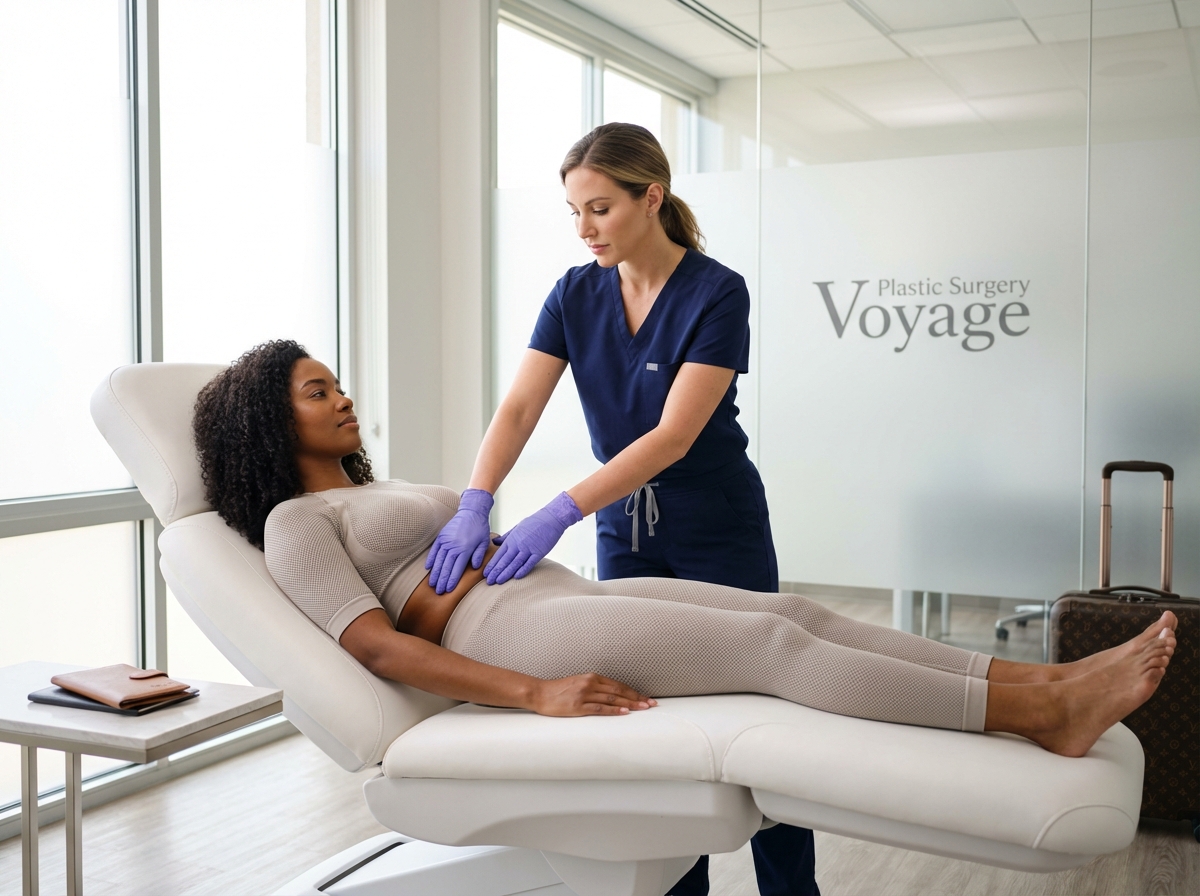
It is vital to distinguish between a standard massage and MLD. Post surgical MLD must be extremely gentle. The therapist uses light, rhythmic strokes to stimulate the lymphatic vessels located just under the skin. Deep tissue massage or heavy kneading should be avoided entirely during the first several weeks. Applying too much pressure can damage the fragile new blood vessels and increase bruising or even cause internal bleeding.
Pain and Sensation
You should not feel pain during a session. If the pressure is intense, the therapist is likely pressing too hard. This can damage fragile new lymph pathways. Most patients find the process deeply relaxing. It often reduces pressure on nerve endings, leading to significant pain relief as swelling decreases.
BBL Specifics
For patients who had a BBL, the technique requires specific modifications. The fat grafts in the buttocks are very delicate and need a steady blood supply to survive. A therapist must never perform massage directly on the grafted areas during the early weeks of healing. Instead, they focus on the donor sites like the abdomen and flanks to reduce the pressure that swelling puts on the grafts from the inside. Disrupting the fat cells with pressure can lead to fat necrosis or poor survival rates, which ruins the results of the surgery.
Integration with Compression Garments
Compression garments and MLD are two parts of the same system. The garment provides the consistent pressure needed to keep fluid from reaccumulating in the empty spaces left by liposuction. MLD then moves that fluid out of the body. Most surgeons require patients to wear a faja or compression suit for at least 8 weeks. When traveling, it is helpful to have at least two garments so you can wear one while the other is being washed.
Proper fitting is essential. A garment that is too tight can actually block lymphatic flow and cause more swelling in the extremities. During an MLD session, the therapist can help check for “hot spots” where the garment might be folding or digging into the skin. These folds can cause permanent indentations in the soft, healing tissue. Using foam inserts or abdominal boards under the garment can help distribute pressure evenly and protect the skin from creases.
Safety Red Flags and Contraindications
While MLD is generally safe, there are times when it must be paused. An active infection is a major contraindication. If you have a fever, or if the skin is hot, red, and spreading, you should not have a massage. MLD can potentially spread an infection through the lymphatic system. Other red flags include signs of a deep vein thrombosis (DVT) such as calf pain, redness, or swelling in just one leg. If a therapist suspects a blood clot, they must stop immediately and refer the patient to emergency care.
Uncontrolled heart failure or kidney issues are also serious concerns. Because MLD moves a significant amount of fluid back into the circulatory system, it can overwhelm a heart that is not functioning well. Patients with a history of these conditions need close monitoring by their surgical team. Acute inflammation or a sudden onset of shortness of breath are also reasons to stop therapy and seek medical advice.
Therapist Safety Checklist
When you are looking for a therapist, especially in a foreign country, you need to verify their credentials. Look for someone certified in the Vodder technique or a similar recognized MLD training program. They should have specific experience with post operative body contouring rather than just general relaxation massage.
Certification and Training
Ask if the therapist is a Certified Lymphedema Therapist (CLT) or has specific post surgical training. This ensures they understand the anatomy of a body that has been altered by surgery.
Communication with the Surgeon
A good therapist will ask for your surgeon’s specific protocols. They should be willing to document each session and note any changes in tissue quality or fluid levels.
Monitoring for Complications
The therapist is often the first person to notice a seroma or an area of skin that is not healing correctly. They should be trained to spot these issues and tell you exactly what to report to your doctor. You can find more details on these techniques through resources like Lymphatic Drainage After Surgery: Benefits and Techniques.
Planning your medical tourism recovery to include lymphatic massage
Successful recovery when traveling for plastic surgery requires a strategy that begins long before you board your flight. You must integrate manual lymphatic drainage into your logistics to ensure the best results. Start by reviewing the postoperative care package offered by your chosen clinic. Many international facilities include a few sessions of massage in their initial price. You should confirm if these sessions are performed by certified therapists. Ask the clinic if they provide this service in-house. If they do not, you must request a list of local referrals. It is important to get written aftercare instructions from your surgeon before the procedure. These notes should specify exactly when your massage therapy can begin.
Pre-operative preparation and diet
Your recovery begins weeks before you board your flight. You should locate a certified lymphatic therapist in your home city at least one month before your surgery date. You will be too exhausted to research credentials or availability when you return from your trip. Book your first three sessions for the week you arrive back home to ensure you have a spot in their schedule. You should also adjust your diet by reducing salt intake two weeks before your flight. High sodium levels increase fluid retention and can make the initial post-operative swelling much worse. Focus on lean proteins and leafy greens to help your body rebuild tissue and prepare for the healing process.
Stay duration and safety
The length of your stay in the country depends on the complexity of your surgery. For a single area of liposuction, you should plan to stay for at least seven to ten days. Extensive liposuction or a BBL requires a longer commitment. You should remain near your surgeon for fourteen to twenty-one days. This timeframe allows for multiple massage sessions. It also ensures you are close to medical help if early complications arise. Staying longer reduces the risk of deep vein thrombosis. Traveling too soon after surgery increases the chance of blood clots. You might need to extend your stay if you experience excessive swelling or if your surgeon recommends more frequent therapy.
Continuity of care at home
Planning for your return is just as important as the trip itself. You need to gather all your medical records before leaving the clinic. Request a copy of the operative notes and your prescriptions. You should also ask for specific details about your compression garments. Your home-based therapist will need a handoff letter from your surgeon. This document should explain the technique used during surgery. It should also list any areas that require special attention. Having these records ensures that your recovery continues without interruption. You can find more details on how these techniques support healing in this guide on Lymphatic Drainage After Surgery: Benefits and Techniques.
Travel timing and flight safety
Flying after surgery involves specific risks. Long-haul flights can lead to venous thromboembolism. Most surgeons suggest waiting at least two to four weeks before taking a long flight. This period varies based on your individual health and the extent of the surgery. During the flight, you must wear your compression stockings. You should move your ankles frequently. Walking in the aisle every hour is helpful. Some patients may need prophylactic medication to prevent clots. Always follow the specific travel timeline provided by your surgical team.
Packing and preparation
Your suitcase should include items that support your recovery. Pack at least two extra compression garments. You will need to change them frequently for hygiene. Include all your medical documentation and the contact information for your local therapists. Some patients find a small travel pump useful if indicated by their doctor. You should also bring basic wound care supplies. It is wise to have contingency funds available. These funds cover unexpected costs like extra hotel nights or additional massage sessions.
Verifying therapists abroad
If you seek a therapist outside the clinic, you must verify their credentials. Look for professionals with Vodder or similar certifications. Ask them how many post-op patients they treat each week. You should inquire about their experience with BBL patients specifically. A therapist must know how to avoid pressure on fat grafts. Red flags include a lack of experience with plastic surgery recovery. An unwillingness to communicate with your surgeon is another warning sign. You want a therapist who understands the delicate nature of fresh surgical sites. Research shows that professional MLD is a vital part of the process, as noted in The Utility of Lymphatic Massage in Cosmetic Procedures – PMC.
Cost planning
Budgeting for your recovery is essential. In common medical tourism destinations (such as Turkey, Mexico, or Colombia), a single session might cost between fifty and eighty dollars, while in the US or UK, costs often range from one hundred to one hundred fifty dollars. You should budget for at least ten to fifteen sessions during the first six weeks. Remember to include the cost of transportation to these appointments. If you need to stay longer due to swelling, your hotel costs will increase. Planning for these expenses prevents stress during your healing phase.
Recovery timeline checklist
| Timeframe | Action Required |
|---|---|
| Two weeks pre-op | Book your home-based therapist for your return; reduce salt intake. |
| One week pre-op | Confirm the clinic care package and local referrals. |
| Days one to three post-op | Start gentle in-house lymphatic sessions if approved. |
| Days four to ten post-op | Attend daily or every other day sessions locally. |
| Two weeks post-op | Obtain all medical records and fly home safely. |
| Weeks three to six post-op | Continue sessions two or three times per week at home. |
| Week eight post-op | Transition to maintenance sessions or self-care. |
Following this structure helps manage the physical and logistical demands of surgery abroad. Proper planning ensures that the benefits of your procedure are not lost to poor recovery habits. You should always prioritize safety over a quick return to your normal routine. Consistent massage and compression are the keys to a smooth transition back to your daily life.
Common patient concerns and advanced recovery tips
Self-massage versus professional care
Can I do self-lymphatic massage at home and how?
While there are basic strokes you can learn, professional MLD is far more effective. It is difficult to reach the back and flank areas where fluid often pools after liposuction. A certified therapist uses specific sequences to redirect fluid to healthy lymph nodes in the armpits or groin. If you must do it yourself, use extremely light pressure. Move your hands in a circular motion toward the nearest cluster of lymph nodes. Never use deep pressure or massage tools without surgeon approval. For medical tourists, having a professional therapist at home is better for monitoring complications like seromas.
Expected results and session requirements
How many sessions will I need and how soon will I see results?
Visible reduction in swelling often occurs immediately after the first session. You may notice continued improvement over the next 24-48 hours. The most dramatic results typically appear after the first 3-4 sessions. For a full recovery, which can take 3-6 months, a series of 10-15 sessions is common. Patients often report enhanced skin texture and elasticity after several treatments. The cumulative benefits help prevent the development of thick scar tissue. You can read more about the long-term utility of these procedures in this article on The Utility of Lymphatic Massage in Cosmetic Procedures – PMC.
Complication prevention
Can MLD prevent seromas or infection?
MLD is highly effective at preventing seromas, which are pockets of trapped fluid. By keeping the fluid moving, it prevents the stagnation that can lead to infection. It also reduces the risk of tissue fibrosis, which causes permanent lumps and a hard, woody texture under the skin. A 2020 study showed that MLD is superior to compression garments alone for reducing edema. While it does not replace medical treatment for an active infection, it supports the immune system by facilitating the transport of white blood cells.
The role of compression garments
Is compression enough or do I still need MLD?
Compression garments are essential for providing external pressure to keep tissues flat. However, they do not actively move fluid through the lymph vessels. MLD and compression work together. The massage moves the fluid, and the garment prevents it from returning to the surgical site. Relying only on compression can sometimes lead to fluid being trapped in certain areas, causing uneven results or prolonged swelling.
Integrating other post-operative therapies
How to coordinate MLD with other therapies like laser or ultrasound?
Therapeutic ultrasound or cold laser can be used alongside MLD to break up stubborn areas of fibrosis. These are often introduced after the first 3-4 weeks when the initial swelling has subsided. Decongestive bandaging might be used if edema is severe. Your therapist should coordinate these treatments based on your tissue quality and comfort level. Always ensure that any additional technology used is cleared by your operating surgeon to avoid interfering with the internal healing process.
Final recommendations and practical action plan
Manual lymphatic drainage acts as a vital bridge between your surgical procedure and your final aesthetic results. Research indicates that patients who receive regular lymphatic drainage massage after plastic surgery often experience a 50 to 70 percent reduction in their total recovery time. This specialized technique moves trapped fluid toward the lymph nodes in the neck, armpits, and groin for filtration. This process prevents the formation of thick scar tissue and painful lumps known as fibrosis. The risks are minimal but real if the therapist lacks proper training. Poor technique can put undue pressure on fresh incisions or potentially move fat grafts in a BBL. You must work with a professional who understands the delicate nature of post-surgical tissue to avoid these complications.
In-country recovery steps
While you are still near your surgical clinic, you should aim for at least two or three MLD sessions. Most surgeons suggest starting these treatments 1 to 2 weeks after the procedure once the incisions have closed and the initial inflammatory phase stabilizes. These early sessions help move the bulk of the surgical fluid before it has a chance to harden. Before you leave the country, you must request a written summary of your procedure from your surgeon. This document should include the exact areas where liposuction was performed and any specific instructions for the massage therapist. Keep a digital copy of this report on your phone for easy access during your first appointment back home.
| Recovery Phase | Action Item | Primary Goal |
|---|---|---|
| Pre-Departure | Vet home therapists | Secure post-travel care |
| In-Country | 3 MLD sessions | Reduce travel-related edema |
| Post-Travel | 10 to 15 sessions | Prevent fibrosis and lumps |
| Long-Term | Monthly maintenance | Optimize skin elasticity |
Optimizing your surgical outcomes
Wearing your faja or compression garment exactly as instructed is non-negotiable for at least 8 weeks. The garment provides the external pressure needed to keep the skin flat while the MLD moves the fluid out from underneath. You should also prioritize mobility to prevent deep vein thrombosis. Walk for five minutes every hour during the day to keep your blood moving. This is especially vital during your flight home. Drink plenty of water to help your kidneys process the fluid and toxins moved during your massage sessions. Avoid alcohol and processed foods that cause inflammation as they will slow down your progress. For BBL patients, use a specialized pillow for sitting and sleep on your stomach or side for the first 6 weeks to protect the new fat cells.
Monitoring for complications
You must stay vigilant for signs that require medical attention. If an area becomes bright red, hot to the touch, or starts oozing, contact your surgeon immediately. These are signs of a possible infection that MLD cannot fix. Pain or swelling in just one leg can indicate a blood clot and requires emergency care. Sudden difficulty breathing after surgery or a long flight is also a medical emergency. Regular consistent sessions of MLD can reduce swelling and local pain, but they are not a substitute for surgical follow-ups. Since the recovery process from plastic surgery can be a lengthy one, between 3 and 6 months, utilizing MLD therapy during the postoperative recovery phase is essential for the best results.
Final action checklist
Before you fly home, ensure you have your surgeon’s contact information for emergencies. Confirm the date you are cleared to fly, which is usually 2 to 4 weeks post-op depending on the procedure. Have a list of local urgent care centers that handle post-surgical issues just in case. Making informed decisions about your post-operative care is just as important as choosing the right surgeon. Traveling for plastic surgery adds layers of complexity to the healing process. You must prioritize communication with your medical team and stick to a professional MLD schedule. Investing in certified care ensures that your results look as good as you imagined and that your body heals with minimal complications.
References
- Lymphatic Drainage After Surgery: Benefits and Techniques — Research has shown that patients who receive regular lymphatic drainage massage after plastic surgery procedures often experience a 50-70% …
- Lymphatic Massage after Plastic Surgery – Dr Jeremy Hunt — Lymphatic massage can help promote faster recovery after a surgical procedure by reducing inflammation, swelling, and scar tissue formation.
- The Utility of Lymphatic Massage in Cosmetic Procedures – PMC — Since the recovery process from plastic surgery can be a lengthy one, between 3 and 6 months, utilizing MLD therapy during the postoperative recovery phase …
- Unlock Faster Healing: Lymphatic Massage Post Op Benefits | Bednar — According to the NCBI and Indian Journal of Plastic Surgery, consistent sessions of MLD can reduce swelling, tissue fibrosis, and local pain following surgeries …
- 5 Facts About Lymphatic Massage – Pincus Plastic Surgery — Lymphatic massage offers numerous health benefits, from improving blood flow and tissue health to aiding in post-surgical recovery.
- How Many Lymphatic Massages After Tummy Tuck and BBL? — Because your body needs time to stabilize after surgery, we typically recommend beginning lymphatic massage sessions approximately 1–2 weeks …
- Lymphatic Massages After Mommy Makeover: Finding Relief and … — Many plastic surgeons recommend starting lymphatic massage about one to two weeks after surgery. The timeline depends on how your sutures are …
- Lymphatic Massage After Tummy Tuck | Recovery Guide 2025 — Lymphatic massage can aid in the healing process of your scars by reducing swelling and helping prevent excess scar tissue from developing during your recovery.
- Why You Should Avoid Lymphatic Massage After Plastic Surgery — Lymphatic massage is unnecessary after plastic surgery particularly for smoothing out and correcting improperly performed lumpy liposuction …
- Do I Need Post-Op Manual Lymphatic Drainage Massage? — Manual Lymphatic Drainage Massage is a specialized therapeutic technique that moves excess fluid through your lymphatic system after surgery.
Legal Disclaimers & Brand Notices
The information provided in this article is for educational and informational purposes only and does not constitute medical advice, diagnosis, or treatment. Always seek the advice of a qualified physician or other healthcare provider with any questions you may have regarding a medical condition, surgical recovery, or the suitability of manual lymphatic drainage for your specific needs. Never disregard professional medical advice or delay in seeking it because of something you have read in this article.
All product names, logos, and brands mentioned in this text are the property of their respective owners. All company, product, and service names used in this article are for identification purposes only. Use of these names, logos, and brands does not imply endorsement or affiliation.